Why EUR/USD Is Still the Top Choice When Volatility Hits
When economic events start shaking the markets, not all currency pairs react the same way. Some pairs move in predictable waves, while others barely flinch. But one pair consistently rises to the occasion when volatility strikes. It’s the EUR/USD. For many traders, it remains the go-to vehicle for reacting to global data, inflation releases, central bank decisions, and financial surprises. Understanding why it responds so reliably helps traders make more informed decisions in EUR/USD trading.
Built for Liquidity and Speed
One of the key reasons EUR/USD remains at the heart of volatile trading sessions is its unmatched liquidity. With trillions of dollars traded daily, this pair offers the tightest spreads and the most consistent fills, even during fast market conditions. That matters when timing is everything. When a surprising U.S. job report is released or the eurozone inflation figure misses estimates, traders can act without the slippage or delays that often plague less liquid pairs.
This liquidity translates into smoother execution, which is especially important when news is hitting the wires. Price action might be fast, but it remains readable. That gives technical and fundamental traders alike the confidence to execute their strategies in real time. Liquidity becomes not just a convenience, but a tactical advantage in EUR/USD trading.
A True Global Sentiment Gauge
Another reason EUR/USD is so reactive to economic events is its unique role as a mirror of global sentiment. It reflects more than just the health of Europe or the U.S. economy. It embodies the balance of risk sentiment, the state of capital flows, and expectations about future monetary policy. When traders want a pure read on whether the market is risk-on or risk-off, they often look at what EUR/USD is doing.
This central position also means the pair responds clearly to economic divergence. If the U.S. shows strength and Europe lags behind, EUR/USD moves lower. If the opposite is true, the euro gains. These reactions form the backbone of directional trades that are not just intraday opportunities but also setups that can last for weeks. Such dynamics make EUR/USD trading not only responsive but also structurally informative.
Volatility Feeds Strategy Development
For traders who thrive on volatility, the consistent reaction of EUR/USD to economic events helps shape predictable strategies. Whether it’s fading initial moves, trading breakouts, or aligning with macro trends, the structure of the pair supports multiple styles. The rhythm of the pair around high-impact releases is well understood by market participants, which helps generate cleaner setups and fewer false signals.
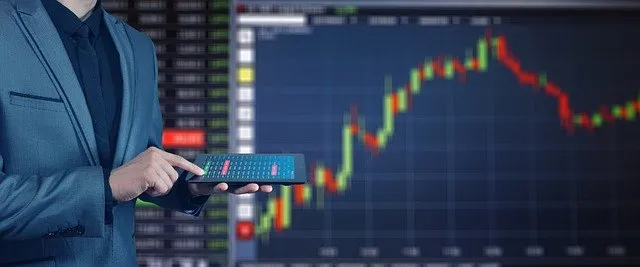
Image Source: Pixabay
Even when the economic surprise is unexpected, the pair usually respects key levels and offers tradable reactions. That consistency is why so many strategies are backtested on EUR/USD first. If a method cannot work on this pair during volatile conditions, it’s unlikely to work anywhere else. This reinforces the pair’s central role in professional and retail EUR/USD trading environments.
When Volatility Hits, Confidence Matters
There is also a psychological edge to choosing EUR/USD when volatility spikes. Traders trust the pair. They know how it behaves, where it tends to find support and resistance, and how it reacts to the flow of data. That familiarity leads to faster decision-making and less hesitation, both of which are critical when markets are moving quickly.
While other pairs may offer exotic moves or wider ranges, they also come with hidden risks. Illiquidity, unexpected gaps, or manipulation can lead to painful lessons. EUR/USD, in contrast, provides transparency. It allows traders to focus on execution and strategy without worrying about structural surprises. This confidence makes it the preferred battlefield when volatility takes over the market.
In a trading world full of options, the combination of liquidity, responsiveness, and reliability makes EUR/USD trading the top choice when the pressure is on. Whether you’re trading the news, anticipating rate decisions, or reacting to global shifts, this pair continues to stand at the center of it all.

Comments