Building a Strong Foundation Before Trading Options
An option position can be correct about market direction and still lose money. Price movement matters, but so do time remaining, implied volatility, strike selection, and the cost paid for the contract. That combination makes preparation more important than finding a bullish or bearish idea.
Before entering options trading, a trader needs to understand how the underlying asset behaves and how the contract converts that movement into profit or loss. The option is not a simpler substitute for buying shares. It introduces a second market with its own pricing pressures.
The chart may be familiar. The payoff is not.
Begin With the Underlying Market
Options derive their value from another asset, so the first analysis should focus on that underlying market. Trend direction, support and resistance, scheduled events, liquidity, and recent volatility all affect the contract.
Suppose a stock consolidates beneath resistance before an earnings announcement. Strong results cause it to gap higher and break the range. A trader who bought a call correctly anticipated the direction, yet the option barely rises or even declines.
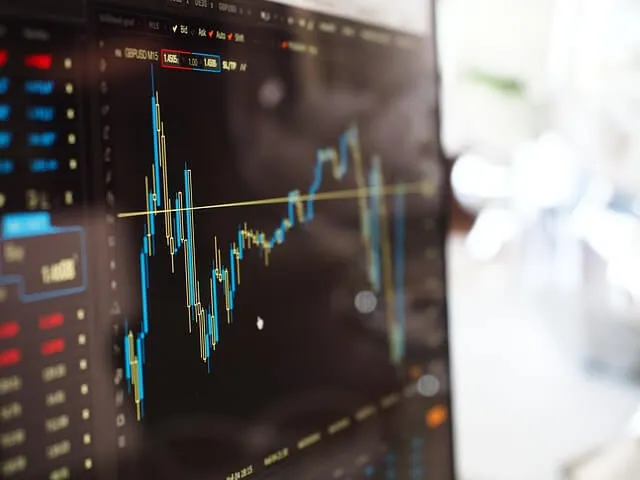
Image Source: Pixabay
Why? The market had priced a large move into the premium before the announcement. Once the uncertainty disappears, implied volatility falls sharply. The gain from the stock’s advance may not be enough to offset the decline in the option’s volatility value and the amount originally paid.
A correct forecast is only one part of the position.
Experienced traders compare the actual move with the move implied by option prices. Beginners often look only at whether the stock finished higher or lower.
Understand the Contract Before the Strategy
Every contract has an underlying asset, strike price, expiration date, premium, and contract multiplier. These details determine the rights acquired by the buyer and the obligations accepted by the seller.
The expiration date creates a deadline. A stock may eventually reach the expected price, but the option can expire before that view becomes profitable. Short-dated contracts react quickly to both price movement and passing time, which makes them less forgiving when a trade develops slowly.
Strike selection changes the character of the position. An inexpensive, far out-of-the-money call may offer substantial percentage gains if the stock surges, but it also has a greater chance of expiring worthless.
Cheap does not necessarily mean low-risk in practical terms.
Counterintuitively, paying more for a contract with a more favorable strike or additional time can produce a more manageable position. The upfront cost is higher, but the option may rely less on an immediate, unusually large price move.
Measure More Than the Maximum Loss
Option buyers can generally identify the maximum loss as the premium paid, but that figure should not be confused with sensible position size. Losing 100 percent of a known amount is still damaging if too much capital was committed.
Option sellers face a different calculation. Depending on the strategy, losses may be substantial or potentially unlimited, while assignment can create a stock position that requires additional capital. Defined-risk spreads can cap exposure, though they also introduce multiple legs, wider combined transaction costs, and more complicated exits.
Liquidity deserves attention before entry. A contract may show an appealing last-traded price while the current bid and ask are far apart. Entering near the ask and exiting near the bid can create a meaningful loss even if the underlying asset barely moves.
Volume and open interest offer context, but the live spread shows the immediate cost of participation.
Treat Time and Volatility as Position Variables
Time decay does not affect every option at the same rate. Its influence generally becomes more pronounced as expiration approaches, particularly when the contract remains near the strike price.
Implied volatility reflects how much movement the market expects, not whether that movement will be higher or lower. Elevated volatility can make both calls and puts expensive. Buying after fear or excitement has already expanded premiums may require an even larger move to produce a profit.
This is where options trading differs sharply from a simple directional position. Traders are making a view on price, timing, and the amount of movement relative to expectations.
Before placing a first trade, write down the underlying price, strike, expiration, total premium at risk, break-even level at expiration, current bid-ask spread, and scheduled events before expiry. Then calculate the result if the underlying moves correctly but more slowly than expected. If that outcome is unclear, keep the position on a simulator rather than sending it to the market.

Comments