Building a Trading Process You Can Repeat in Any Market
Many traders spend years searching for the perfect strategy while overlooking something more valuable: a process they can repeat regardless of market conditions. Winning trades come and go. A repeatable routine survives periods when the market refuses to cooperate.
That distinction becomes obvious after enough time watching charts. A profitable fx trade often begins long before an order is placed. The preparation, the observations, and the reasons for waiting usually matter more than the actual execution.
Markets reward consistency in unexpected ways. Not because they become predictable, but because a structured approach reduces the number of unnecessary decisions made under pressure.
A Process Begins Before the Chart
The first meaningful decision is often deciding whether there is anything worth trading at all.
Experienced traders rarely begin by searching aggressively for an entry. They start by asking what kind of market is developing. Is price trending with momentum? Rotating inside a range? Compressing ahead of a major economic release?
Those observations influence everything that follows.
The market has already started telling a story before any indicator confirms it.
The Best Trades Usually Survive Waiting
Patience is often described as a personality trait. In reality, it is frequently the result of having a structured process.
Consider a currency pair spending most of the European session inside a narrow consolidation ahead of an inflation report. When the data is released, price briefly breaks above resistance before reversing sharply and sweeping liquidity beneath the range. Only after that false breakout does sustained buying pressure emerge.
A trader chasing the initial move experiences unnecessary volatility. Another who waits for the market to reveal where participants actually commit capital enters under very different conditions.
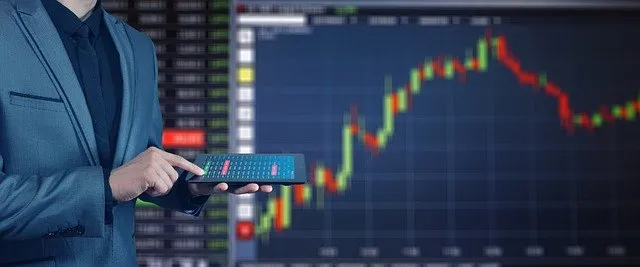
Image Source: Pixabay
The setup remained the same.
The timing changed everything.
Repetition Exposes Weaknesses Faster Than Results
One counterintuitive observation appears repeatedly in trading journals.
Several profitable trades executed for poor reasons often damage long-term progress more than a well-planned losing position. Success can disguise flaws that only become visible after market conditions change.
That is why experienced traders review decision making instead of focusing exclusively on profit and loss. They ask whether the same process would still make sense if the trade had produced the opposite outcome.
The market did not change nearly as much as the trader’s willingness to evaluate it honestly.
Adaptation Is Part of the Process
A repeatable routine does not mean repeating identical actions every session.
Trending markets require different expectations than slow consolidations. High-volatility environments call for different levels of patience than quiet trading days. The framework stays consistent while the decisions inside it remain flexible.
Many beginners mistake adaptation for inconsistency.
The opposite is often true.
The strongest routines include room for changing market conditions because markets themselves are constantly evolving. Following a rigid checklist without considering context eventually becomes just another form of guessing.
The Process Should Reduce Decisions, Not Create More
A useful trading routine simplifies rather than complicates.
Each unnecessary rule creates another opportunity for hesitation. Each additional confirmation increases the temptation to overanalyze what price is already communicating. Experienced traders often remove unnecessary steps over time instead of adding new ones.
One profitable setup can easily become four unnecessary trades when the process shifts from observing the market to constantly searching for action.
Building a repeatable framework means creating a sequence of observations that remains useful across different market environments. Reviewing context before execution, allowing price to confirm expectations, and evaluating decisions independently of outcomes all contribute to stronger long-term consistency. Approaching every fx trade through the same thoughtful process provides a more reliable foundation than relying on confidence generated by the previous result.

Comments