Losing FX Trades Often Go Viral in Turkish Trading Forums
In trading communities, public failure carries significant weight, since results are visible, verifiable, and difficult to reframe after the fact. It is not uncommon for a screenshot of a losing FX trade to begin circulating within a Turkish trading forum, spreading beyond the original thread into wider social media discussions about currency speculation and its risks. Traders who post this kind of material rarely intend for it to become widely shared, but online communities regularly turn private missteps into material for broader discussion, regardless of the original poster’s intent.
A typical losing position is a leveraged bet on the lira that moves adversely around an unexpected central bank announcement, erasing a big chunk of an account in minutes. It’s not the amount of the loss that usually attracts more attention, but the rationale behind it, especially when a trader is honest enough to admit that he has thrown his own risk management rules out of the window because he was unusually confident about the direction of a likely policy decision. This sort of candor is striking in a space where participants are accustomed to seeing mostly positive results, and it rings true for others who see similar overconfidence in their own trading history.
Threads built around this type of loss tend to generate a lot of engagement with comments ranging from genuine sympathy to pointed but constructive criticism on position sizing and stop-loss discipline. Long-time members of the community have often commented that these discussions tend to generate unusually meaty conversations about risk management, in large part because the error under consideration is specific, documented, and based on an actual sequence of decisions. Concrete, documented failures tend to inspire detailed engagement in ways that abstract warnings rarely do, and cases involving a losing FX trade have repeatedly become effective teaching moments in these communities, often unintentionally.
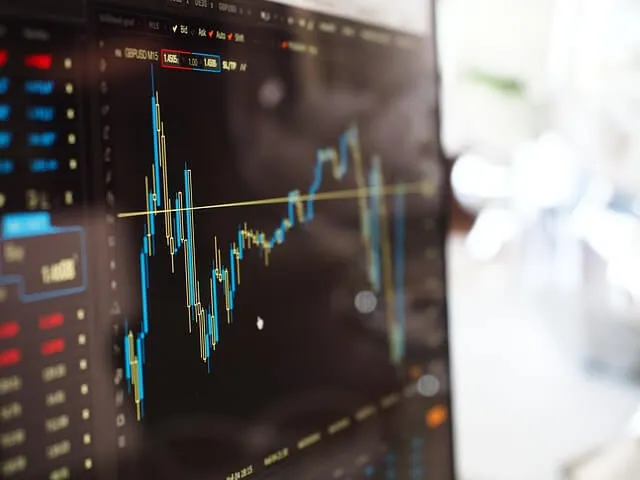
Image Source: Pixabay
Screenshots of these forum threads are sometimes shared outside their original context on other social media sites, where they are used to provide generic warnings about the risks of trading in leveraged currencies. The original forum participants are often frustrated by the wider circulation of the material, feeling that the nuanced discussion of overconfidence and rule-breaking has been reduced to an oversimplified warning about reckless trading. It is not uncommon for stories that are born in a community to become less specific and lose context as they travel away from their source.
Traders who have lost in this way often describe this kind of attention as producing mixed feelings about the experience, appreciating supportive responses from fellow members of the community, while remaining uncomfortable about becoming an unwilling example for audiences outside trading culture. Many continue to post after the fact, perhaps with less specificity, having learned that content that felt comfortable to share in a trusted community may not travel well when it makes its way into a larger, less familiar context.
These episodes demonstrate how Turkish traders read and learn from public failures in relatively small online communities where the interconnections are many, but not necessarily in the mechanics of any one failed position. In the trading forums they are as much an information source about the markets as they are a kind of informal support network. The lessons of discipline and risk management are still being taught to many different types of people by direct example in this forum, through documented losses.

Comments