What Separates a High-Quality FX Trade From an Average One?
Many traders judge a position by its outcome. If it makes money, it was a good trade. If it loses, it was a bad one. That sounds reasonable until you realize markets often reward poor decisions and punish good ones over short periods. A profitable result does not automatically mean the process behind it was sound.
That distinction becomes especially important when evaluating an fx trade. The strongest setups are not necessarily the ones that generate the largest immediate gains. They are the trades where market context, timing, risk, and execution all align before the order is placed.
Quality is determined long before the position is opened.
Strong Setups Have Multiple Reasons Behind Them
A single technical signal rarely tells the full story.
Suppose a currency pair breaks above a well-established resistance level. On its own, the breakout may look convincing. Now add stronger-than-expected employment data, improving economic sentiment, and supportive central bank guidance. Suddenly, the trade is supported by several independent factors instead of one chart pattern.
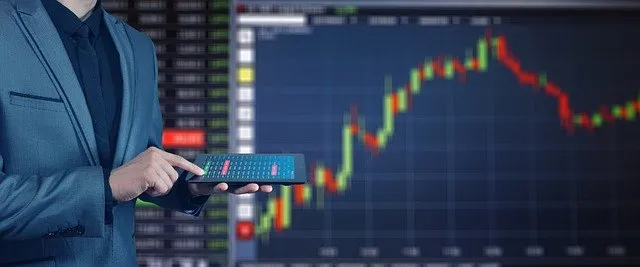
Image Source: Pixabay
The more pieces of evidence point in the same direction, the stronger the setup tends to become.
That does not guarantee success, but it improves the odds that the trade reflects genuine market conviction rather than temporary momentum.
Timing Matters More Than Entry Price
Many beginners become obsessed with finding the perfect entry.
Experienced traders often focus on entering during favorable conditions instead.
Imagine inflation data is released and the market reacts with sharp volatility. Instead of entering during the first few minutes, a trader waits for the initial price swings to settle and confirms that buyers continue defending higher levels. The eventual entry may be slightly worse on paper, but it is supported by more reliable information.
Sometimes paying a slightly higher price leads to a better trade.
Risk Defines the Trade Before Profit Does
Every trade should have a clearly defined exit if the original idea proves incorrect.
This is where many average trades begin to fall apart. A trader identifies a reasonable opportunity but risks too much capital on a single position or places a stop-loss so close that ordinary market fluctuations trigger an unnecessary exit.
The analysis may be accurate.
The trade management is not.
Separating these two ideas helps traders evaluate performance more objectively over time.
The Counterintuitive Value of Passing on Trades
Many people believe active traders succeed because they participate constantly.
The opposite is often true.
Experienced market participants reject far more setups than they accept because they recognize that mediocre opportunities consume both capital and attention. Waiting for a trade where several conditions align often produces better long-term results than acting on every promising chart pattern.
Later, traders reviewing an fx trade frequently discover that the best decision was sometimes choosing not to trade at all.
Patience can improve performance just as much as technical skill.
Evaluate the Process, Not Just the Outcome
A high-quality trade is built on preparation rather than hope. It combines market context, thoughtful timing, appropriate risk, and disciplined execution into a single decision. Whether the position ultimately wins or loses, that process remains valuable because it can be repeated consistently.
Before reviewing your next result, review the reasoning behind it. A trade supported by strong evidence and careful execution deserves more attention than one that happened to produce a profit through good fortune alone.