One FX Trade Can Undo Months of Careful Saving
Many disciplined savers in Argentina watched months of savings vanish in seconds as the currency markets turned against them. A badly managed trade can wipe out half a year’s worth of accumulated pesos from stacking up through small incremental trades. The disparity between the slow pace of saving and the speed at which currency can be lost has become a recurring lesson for people entering the foreign exchange markets without fully understanding the risks involved. This gap between patient accumulation and rapid loss now shapes much of the caution shared among retail traders across the country.
Overconfidence tends to build gradually. A trader who earns money in the early stages often begins taking larger positions without adjusting for risk, assuming greater skill than earlier trades. Financial educators in Buenos Aires say they see this pattern often among newer participants. Many do not recognize how quickly markets can shift direction until they experience a substantial loss.
Emotional decision making makes currency trading more difficult to manage. A single FX trade is sometimes treated primarily as a way to recover an earlier loss, an approach often described as chasing losses. This behavior has taken several trading strategies away from their original, more measured risk parameters. A shopper in Rosario described a small loss that grew into a significant one, after a position was doubled in a single, high-pressure session while attempting to recover funds.
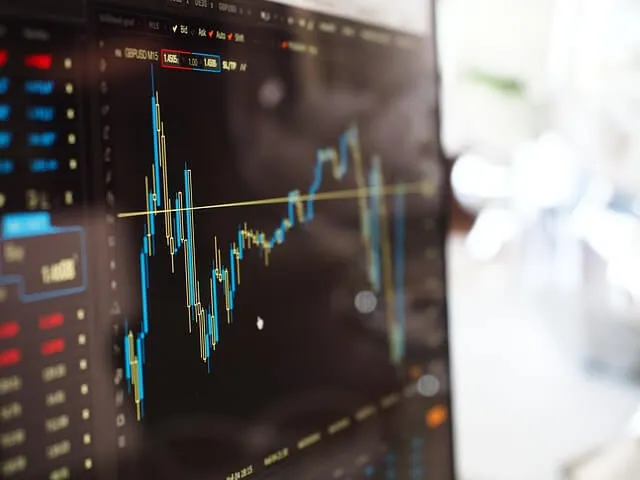
Image Source: Pixabay
These risks are compounded by the use of leverage, which can turn several weeks of savings into a loss within a single day. Traders are often surprised at how quickly margin requirements can increase during periods of high volatility, especially when multiple positions are open without adequate risk controls. Community trading forums contain many accounts describing how quickly conditions can change once volatility increases, offering newer investors a sense of these dynamics before they encounter them directly. A margin call during a fast-moving session can force a position closed at a substantial loss before a trader has time to reassess the broader strategy.
Risk management strategies exist to limit the damage from this kind of isolated loss, though they require discipline that can be difficult to maintain under emotional pressure. One of the more reliable ways to protect against a single FX trade eroding significant gains is placing stop-loss orders before a trade begins, so losses are limited automatically. Financial educators consistently recommend this practice, although it is not applied consistently by all traders, based on individual experience and temperament.
Inflation adds a further burden to recovery in the Argentine context. A trader who loses savings in a poorly managed transaction faces the initial capital loss along with the continued erosion of remaining funds, since the peso keeps losing value even as they attempt to rebuild their position. Rebuilding savings under these conditions often takes considerably longer than the original period of accumulation, since both the lost capital and the currency’s declining value work against the trader at the same time. This combination of currency risk and inflation is why isolated trading losses carry lasting consequences across Argentine trading communities, and why savings built slowly over months can be undone by the outcome of a single trading session.