Designers Are Learning to Think in Echoes
Designers used to focus on what people see. Shapes, colours, materials everything visual took priority. But now, something quieter is making its way into the planning stage: sound. More specifically, how sound lingers, travels, and folds itself into a space. Designers are learning to think in echoes.
An echo isn’t just a sound bouncing back. It’s a message arriving late. In some buildings, it’s barely noticed. In others, it changes everything. A welcome message loses clarity. A soft song feels sharp. Even the hum of conversation turns tiring when it stretches too far or repeats itself from distant corners. Over time, these distortions chip away at comfort and focus.
Architects and interior designers once assumed that sound would take care of itself. Today, many know better. Curved surfaces, open ceilings, and reflective materials don’t just shape light they change how sound behaves. Planning around this reality means recognising that space isn’t silent, even when it seems quiet.
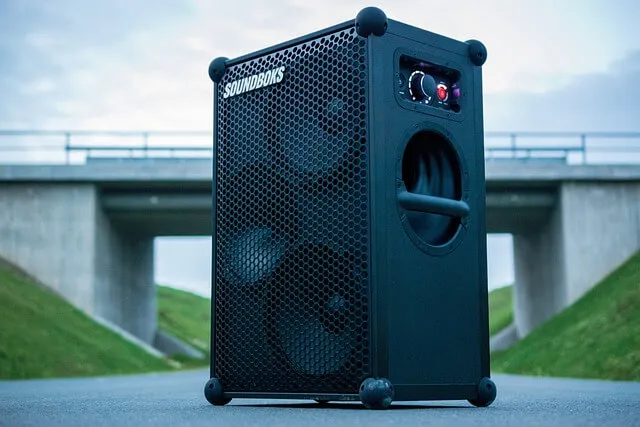
Image Source: Pixabay
This shift in thinking has brought spacial audio solutions into the spotlight. These systems give designers tools to shape not just how a room looks, but how it sounds once filled with people, activity, and purpose. They don’t simply add audio they structure it. The speakers used, the way they face, the zones they support all of it now matters earlier in the design process.
In high-end retail or public galleries, echoes can feel elegant if balanced. But if left unmanaged, they become a problem. Visitors might speak more softly or move more quickly without knowing why. In hospitality, echo-heavy lobbies can make guests uneasy. What’s meant to feel open instead feels overwhelming.
Spacial audio solutions help avoid this by addressing sound as a design layer, not a finishing touch. They allow designers to adjust how audio spreads across space, using direction, timing, and frequency control. That might mean sending a soft wash of ambient sound across a lounge while keeping a reading corner quiet. Or aiming announcements in airports where they’re needed without letting them leak into restaurants nearby.
This approach doesn’t replace design it deepens it. When sound fits the environment, the whole space feels more intentional. Guests stay longer. Workers focus better. Movement feels smoother. Echoes still happen, but they’re shaped rather than scattered.
In some projects, the idea of designing with echoes becomes part of the aesthetic. Think of a library dome that amplifies whispers only when standing in a certain spot. Or a museum corridor where audio guides follow a visitor without interrupting others nearby. These effects don’t happen by accident. They come from understanding how spacial audio solutions can direct and control sound flow within the room’s geometry.
Designers also face new challenges with modern materials. Glass walls, polished concrete, and open-plan concepts may look striking but reflect sound aggressively. Without preparation, these choices create constant bounce. That’s why collaboration between acoustic planners and visual designers has become more common. They talk early. They adjust together. The result is not just a good-looking room but a space that sounds right.
One might argue that echoes are small problems. But in practice, they shape how people behave. A poorly tuned meeting room can make voices clash and tension rise. A restaurant filled with chatter that won’t settle can turn meals into tasks. These aren’t isolated complaints. They’re signs that the space forgot to consider sound.
Thinking in echoes doesn’t mean avoiding them. It means accepting that they’ll happen and using tools to shape their path. Spacial audio solutions let designers control the invisible side of space, turning raw sound into part of the plan not a side effect.