How Futures Trading Starts Making More Sense Once You Understand the Bigger Picture
For many beginners, the first impression of futures trading can feel a little intimidating. The term itself often sounds highly technical, and people sometimes assume it belongs in a category reserved only for experienced traders or financial professionals.
That reaction is understandable.
When people hear unfamiliar terms connected to trading, it is easy to imagine something much more complicated than it actually is. Add market charts, changing prices, and financial discussions into the mix, and the entire subject can initially feel distant.
Then many traders spend more time learning and notice something interesting.
The confusion often comes less from the market itself and more from trying to understand individual pieces without seeing the larger picture around them.
Once the broader view becomes clearer, many concepts begin connecting together much more naturally.
Looking at One Piece at a Time Can Feel Confusing
Imagine watching only a few seconds from the middle of a film without knowing what happened before it.
You see movement and action, but the overall story feels difficult to follow.
Trading can sometimes create a similar experience.
Many beginners immediately focus on:
- Price movement
- Chart patterns
- Indicators
- Entry points
- Short term opportunities
None of these things are unimportant.
The challenge is that understanding isolated details without context can sometimes create more questions than answers.
For people entering futures trading, looking at the broader environment often helps explain why certain movements happen.
Markets Frequently React to Larger Influences
One thing that surprises many beginners is discovering that market movement often reflects events happening outside the chart itself.
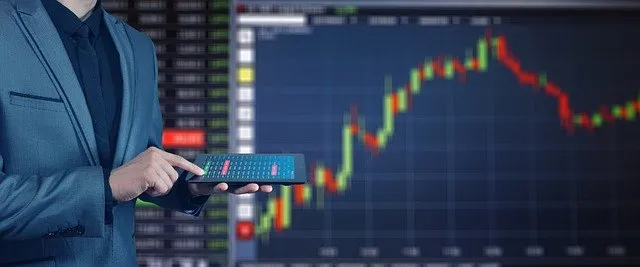
Image Source: Pixabay
Prices may react to:
Economic reports.
Interest rate expectations.
Changes in supply and demand.
Global developments.
Market sentiment.
At first, beginners sometimes focus entirely on candles moving across a screen while wondering why markets suddenly become more active.
Over time, many traders realise that there are often larger reasons influencing what appears on the chart.
Activity Levels Can Change the Experience
Another thing traders notice is that markets do not always feel the same every day.
Some periods seem highly active.
Others appear quieter.
Some sessions create larger movements while others move more slowly.
Examples of things that can influence activity include:
- Economic announcements
- Major financial events
- Market opening periods
- Global uncertainty
- Changes in market confidence
For people involved in futures trading, recognising these changing conditions often helps create a better understanding of market behaviour.
Familiarity Usually Builds Slowly
Beginners sometimes expect understanding to arrive suddenly.
Many traders imagine a moment where everything immediately starts making sense.
In reality, the process often feels quieter.
You begin recognising terms more quickly.
Market discussions become easier to follow.
Certain patterns stop feeling unfamiliar.
Concepts that once seemed difficult start becoming easier to understand.
These changes usually happen gradually rather than all at once.
Understanding Creates Better Perspective
Many traders begin by asking:
“Where is the market going next?”
After more experience, the question often changes slightly.
Instead of only focusing on movement itself, traders may begin asking:
“What is causing this movement?”
That small shift frequently creates a different perspective because understanding behaviour often becomes just as important as predicting behaviour.
The Bigger Picture Often Removes Unnecessary Complexity
Markets naturally contain a lot of information.
Trying to understand every small movement immediately can feel overwhelming.
Looking at the broader picture often reduces some of that pressure.
In the end, futures trading frequently becomes easier to understand when people stop viewing it as a collection of separate concepts and begin seeing how different factors connect together. Once those connections become clearer, the market often starts feeling much more organised and easier to follow over time.